The elevator doors close, and we glance at each other—one of us uses a wheelchair, another squints at the tiny braille panel, and a third fumbles with the touchscreen that won’t respond to gloved hands.
That cramped, everyday moment encapsulates how physical and digital barriers shape our opportunities to meet people, pursue intimacy, and feel seen.
As we navigate dating apps and venues, small design choices quickly become gatekeepers:
- unlabeled images
- videos without captions
- inaccessible event spaces
- profiles that erase diverse bodies and needs
This article brings those moments into focus, tracing how accessibility features are beginning to enter the adult dating conversation and why that shift matters for autonomy, consent, and pleasure.
We will explore:
- practical adaptations
- the perspectives of people with disabilities
- the responsibilities of platforms and hosts
Our aim is to move from anecdote to action—so more of us can pursue connection without unnecessary barriers.
Why Accessibility Matters
Accessible adult dating ensures people with disabilities can participate safely, confidently, and on equal terms.
Accessible dating is not a niche add-on; it is a baseline for belonging.
When platforms adopt inclusive design, they signal that everyone’s needs and boundaries matter, and that creates trust.
Key elements we want from accessible platforms:
- Interfaces that work with assistive technology.
- Clear language about preferences.
- Consent tools that are transparent and easy to use for all bodies and minds.
This combination reduces stigma and practical friction, so people can focus on connection rather than barriers.
Accessibility benefits everyone, not just people with disabilities:
- Simpler navigation helps newcomers.
- Clearer consent mechanisms support better communication.
- Thoughtful layouts foster safer interactions.
By centering accessibility, platforms invite more honest representation and reduce exclusion.
That builds communities where people feel seen and respected.
Ultimately, accessible dating practices make it possible for more of us to participate fully, forging relationships that start from mutual dignity and shared consent.
Mapping Common Barriers
Goal: Map common barriers people with diverse bodies and minds face when trying to meet, communicate, and connect online and in person.
Core accessibility barriers (overview).
-
Inaccessible interfaces. Interfaces that rely on small targets, nonsemantic markup, or inaccessible widgets prevent people using assistive tech from participating.
-
Narrow profile categories. Profiles that force limited gender, body, or neurotype options exclude people before a conversation starts.
-
Vague consent cues. Ambiguous signals about consent or interaction expectations make it hard to navigate social boundaries safely.
Communication barriers.
-
Captioning and transcription gaps. Missing or poor-quality captions/transcripts exclude people who are Deaf, hard of hearing, or who prefer text.
-
Limited alternative text (alt text). Images without meaningful alt descriptions block people who use screen readers.
-
Fast-paced chat flows. Rapid group chats, ephemeral messages, or high-volume threads overwhelm people who process information more slowly.
Privacy, safety, and consent.
-
Confusing privacy controls. Complex or buried settings make it hard to limit who sees your profile or messages.
-
Lack of granular consent tools. People need clear, simple, and adjustable controls for what kinds of contact are allowed and when.
Physical/venue barriers for in-person connection.
-
Poor lighting and acoustics. Low lighting or high background noise impede communication and comfort.
-
Inflexible seating and layouts. Spaces not planned for mobility devices or personal-space needs exclude participants.
-
Sensory environments. Overstimulating or unpredictable sensory inputs shut down people with sensory sensitivities.
Why mapping these matters.
-
Prioritizes accessible practices. Identifying common obstacles helps organizers and platforms focus on high-impact fixes.
-
Supports concrete demands. When barriers are named, we can ask for specific changes: clearer consent tools, adaptable interfaces, and physical accommodations.
-
Creates belonging. Removing these barriers makes it possible for everyone to feel invited to participate and connect.
Inclusive App Design
We’ll design apps that let people of varied bodies, minds, and identities create profiles, communicate, and meet with clear controls, accommodating preferences for privacy, pace, and sensory needs.
We’ll center inclusive design so everyone feels seen:
- Customizable gender and orientation fields.
- Avatar and photo options that respect privacy (e.g., blurred photos, avatar-only profiles).
- Adjustable text size, contrast, and interaction timing.
We’ll build accessible dating flows that reduce cognitive load by using simple language, predictable navigation, and clear feedback.
We’ll include consent tools that let users set boundaries upfront:
- Choose how and when they’re contacted.
- Revoke permissions easily.
- Granular controls for sharing profile elements (photos, last-seen, location).
We’ll prioritize real-time captioning, screen reader compatibility, and alternatives to video to accommodate sensory or mobility needs.
We’ll offer templates for expressing interests and limits so people don’t have to invent words under pressure.
We’ll collect accessibility preferences securely and apply them across features, not silo them, ensuring consistent experience across the app.
We’ll test with diverse users and iterate transparently, because inclusive design isn’t a checkbox—it’s ongoing care that creates safer, more welcoming spaces for connection.
Venue Accessibility Basics
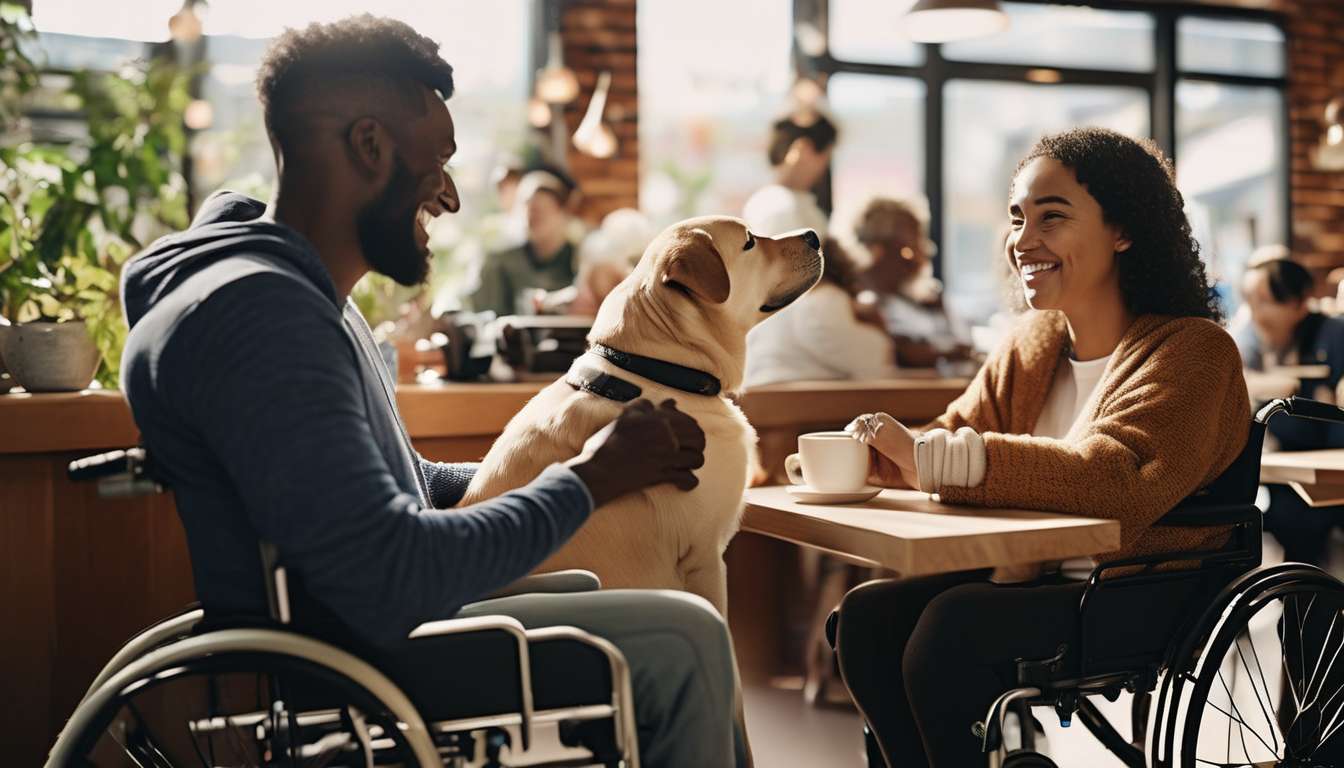
We ensure venues meet basic accessibility standards—like step-free entrances, clear signage, and accessible restrooms—so everyone can attend dates comfortably and safely.
We check routes from transit stops, keep entrances well lit, and provide seating options that suit varied needs. We prioritize ramps, wide doorways, and unobstructed pathways so accessible dating feels ordinary, not exceptional.
We adopt inclusive design principles, including:
- tables at multiple heights
- menus in large print and digital formats
- quiet zones for sensory sensitivity
Staff receive brief training to offer discreet assistance and respect privacy.
We publish accessibility details on profiles and listings so people can choose venues that match their needs before arranging a date.
We provide consent tools and safety supports, such as:
- visible reminders about mutual respect
- discrete ways to signal discomfort
- staff protocols to support someone who needs help
Together, these steps build venues where everyone feels welcome, seen, and safe.
Communication and Consent Tools
We provide clear, customizable communication tools and consent cues so everyone can express boundaries, preferences, and comfort levels confidently.
We build accessible dating experiences by offering multiple ways to say yes, no, or maybe.
- Visual toggles
- Tactile signals
- Pre-set scripts
- Plain-language prompts
These options let people with different needs participate without guessing.
We design consent tools that are explicit, reversible, and recorded only if users choose, reinforcing trust and autonomy.
We prioritize inclusive design by letting users tailor language, tempo, and sensory feedback to their comfort.
- Users can create a shared vocabulary that reduces awkwardness and increases connection.
- Personalization supports different communication styles and sensory needs.
We enable status indicators for energy levels, accessibility requirements, and preferred communication modes, so intentions are clear before meetings.
We train moderators and provide templates that model respectful consent conversations, helping communities learn together.
We monitor feedback and iterate, because belonging grows when systems adapt to real people.
By centering clarity and choice, we make intimate interactions safer, more respectful, and genuinely welcoming for everyone.
Representation and Profiling
We represent diverse bodies, identities, and abilities accurately in profiles and let people self-describe with precise, respectful options.
We prioritize accessible dating by offering clear fields, plain‑language prompts, and optional badges that reflect mobility, sensory, neurodiversity, and chronic conditions without tokenizing anyone.
We let users choose pronouns, relationship styles, and accessibility needs with granular controls so profiles feel truthful and affirming.
We design profile templates through inclusive design practices, testing with communities to avoid assumptions and defaulting to opt‑in visibility for sensitive details.
We make images and descriptions compatible with assistive tech, provide alt‑text prompts, and support multiple formats for self‑expression.
We integrate consent tools into profiles so boundaries and communication preferences are visible and actionable.
- Quick toggles for explicit consent
- Discussion notes for context and negotiation
- Preferred contact methods that respect comfort and safety
By centering dignity, safety, and clarity, we foster belonging: profiles become honest maps that help people connect on their terms, reducing misunderstandings and honoring autonomy in accessible dating spaces.
Policy and Platform Responsibility
Accountability and enforcement.
We’ll hold platforms accountable for enforcing policies, providing clear reporting paths, and allocating resources to keep dating spaces safe and usable for people with diverse abilities.
Expectations for accessible environments.
We expect accessible dating environments where rules are transparent, moderation is consistent, and everyone can report harms without extra barriers.
Inclusive design as a requirement.
We’ll insist platforms adopt inclusive design practices that treat accessibility as fundamental, not optional, so profiles, messaging, and safety features work for screen readers, captions, and alternative input methods.
Consent tools and user control.
We’ll demand consent tools that are easy to find and use, letting people:
- set boundaries,
- withdraw consent,
- control who contacts them.
Appeals, timeliness, and audits.
We’ll press for accessible appeal processes and timely responses, recognizing that delays disproportionately harm marginalized users.
We’ll expect platforms to publish accessibility audits and accountability reports, so communities can see progress.
Partnerships and staff training.
We want partnerships with disability advocates and ongoing training for staff to ensure policies are lived, not just written.
Goal.
Together, we’ll shape platforms that foster belonging, dignity, and safety through concrete policy and responsible stewardship.
Steps Toward Practical Change
We’ll prioritize concrete, measurable steps—like updating interfaces, training staff, and running regular audits—to turn policy commitments into real improvements.
We’ll start by auditing current flows with users who live with disabilities, mapping where accessible dating features fail and where inclusive design can be implemented immediately.
Audit steps:
- Conduct usability testing with diverse disability groups.
- Map accessibility failures across onboarding, matching, messaging, and profile features.
- Prioritize fixes that block onboarding and meaningful interaction.
- Set timelines for remediation and assign owners.
We’ll develop consent tools that are clear, customizable, and built into core interactions so everyone can express boundaries without extra effort.
Consent and tooling actions:
- Design built-in, easy-to-use consent controls (persistent and context-aware).
- Offer customizable options (e.g., modes for communication, visibility, and data sharing).
- Ensure tools are accessible via assistive tech and multiple input modes.
We’ll train support and moderation teams in accessibility-aware communication and escalation, and we’ll measure success with engagement metrics from diverse user groups.
Training and measurement:
- Provide accessibility and disability-awareness training for support and moderation staff.
- Create escalation paths that respect communication preferences and accommodations.
- Track engagement, retention, complaint resolution time, and satisfaction across disability cohorts.
We’ll publish progress reports and invite community feedback, creating feedback loops that make people feel seen and respected.
Community and accountability:
- Publish regular, transparent progress reports with measurable outcomes.
- Invite ongoing community feedback and feature co-design sessions.
- Partner with accessibility advocates and experts to validate changes.
By acting transparently and measuring outcomes, we’ll move from good intentions to a platform where accessible dating is reliable, safe, and welcoming for everyone.
How can someone discreetly indicate a temporary accessibility need (e.g., a recent injury) on their dating profile without drawing unwanted attention?
Goal: Discreetly share a temporary accessibility need on a dating profile without drawing unwanted attention.
Example phrase (brief, matter-of-fact):
- “Recovering from a minor injury—may need help with stairs for a few weeks.”
How to present it:
- Add the line to your bio or a “fun facts” section.
- Keep the language neutral and non-sensational.
- Use a neutral emoji if you want, but avoid attention-grabbing symbols.
Additional tips:
- Be concise — one short sentence is enough.
- Keep tone matter-of-fact rather than apologetic or dramatic.
- Consider pinning or placing it among other casual facts so it reads as one small detail.
- Update or remove the note once it’s no longer needed.
Key point: Balance clarity with discretion by stating the need plainly, keeping it brief, and treating it like any other small personal detail.
What legal protections exist for accessibility-related discrimination in private dating venues or events, and how can an individual pursue a complaint?
Legal protections for accessibility-related discrimination at private dating venues and events
Overview: Private dating venues and events are generally covered by disability anti-discrimination laws that require equal access and reasonable accommodations. In the United States, the Americans with Disabilities Act (ADA) applies to places of public accommodation, including many private businesses that host events. Outside the U.S., equivalent national disability statutes and local human-rights or anti-discrimination codes typically impose similar obligations.
What these laws require:
- Non-discrimination: Providers may not deny access, treat people with disabilities less favorably, or impose different terms because of a disability.
- Reasonable accommodations: Venues must make reasonable modifications to policies, provide auxiliary aids or services, or remove barriers when feasible, unless doing so would impose an undue burden or fundamentally alter the nature of the service.
- Accessibility standards: Physical access (ramps, accessible restrooms, seating) and communication access (captioning, sign language, accessible websites) can both fall within protections.
Enforcement and complaint steps:
- Document the incident thoroughly.
- Record dates, times, names of staff, witnesses, correspondence, photos or videos, and any medical or communication records relevant to the accommodation request or denial.
- File administrative complaints with relevant agencies.
- U.S.: Equal Employment Opportunity Commission (EEOC) for employment-related issues, Department of Justice (DOJ) or state/local civil rights agencies for places of public accommodation.
- Elsewhere: File with national human-rights or disability enforcement bodies, provincial/state agencies, or municipal human-rights tribunals as applicable.
- Seek advocacy and legal aid.
- Contact disability rights organizations, legal aid clinics, or pro bono lawyers experienced in accessibility and civil-rights law for advice and potential representation.
- Consider private litigation or small-claims actions.
- Depending on injuries and remedies sought, pursue small-claims court for limited damages or file a civil suit with an attorney for injunctive relief, damages, and attorneys’ fees where available.
Practical tips:
- Keep contemporaneous records and preserve evidence (messages, emails, tickets, contracts).
- Request accommodations in writing when possible so there is a clear record.
- Be aware of time limits (statutes of limitations and administrative filing deadlines) for complaints and lawsuits in your jurisdiction.
- Explore informal resolution first (manager escalation, written demand for accommodation or refund) if you prefer a quicker outcome.
Next steps: If you want, provide the specific jurisdiction (city, state/province, country) and a brief description of what happened, and I can outline the exact agencies, likely legal standards, and time limits that apply, and suggest tailored complaint language.
Are there specialized dating platforms or communities specifically for people with certain disabilities that prioritize accessibility and safety?
Yes — we know there are specialized dating platforms and communities for people with certain disabilities that prioritize accessibility and safety.
We find dedicated apps, websites, and local support groups focused on specific conditions (like visual, hearing, mobility, or neurodivergent communities).
We value platforms with accessible design, moderation, and privacy controls, and we join spaces that foster respect, clear communication, and meaningful connections built on shared experiences.
Conclusion
You’ve seen how accessibility transforms dating from exclusionary to empowering.
By recognizing barriers, demanding inclusive apps and venues, and using clear communication and consent tools, you help create safer, more welcoming spaces.
Advocate for representation, challenge profiling, and hold platforms and policymakers accountable.
Small changes—better design, staff training, and accessible profiles—make real differences.
Keep pushing for practical, lasting change so everyone can pursue intimacy, connection, and pleasure without unnecessary obstacles.